

I remember the moment clearly. I had finally hit that sweet spot—appearing on the coveted first page of local search results for my business. Excitement surged through me. Then, quite suddenly, my spot vanished overnight. No warning, no explanation. I was blindsided, watching competitors inch forward while I lagged behind. It was an eye-opener that even seasoned pros can stumble over unseen errors lurking in their service area settings.
Why Small Mistakes Can Sink Your Map Rankings Overnight
What I learned from that experience, and what I see happen to many others, is that tiny misconfigurations—things you might overlook—can sabotage your local search visibility. These aren’t just minor oversights; they can be the difference between dominating your local market or fading into obscurity. According to recent studies, over 50% of local businesses experience ranking fluctuations that are directly tied to service area and map setup errors, yet most aren’t aware of how these issues creep in unnoticed (source: Mastering Local Search Rankings).
Could Your Account Be Sabotaging Your Results?
Have you ever checked your service area setup or recently assumed that your map profile is correctly optimized? Early on, I made the mistake of thinking that just claiming my listing was enough. I didn’t realize that misaligned or overly broad service areas could actually prevent my listing from ranking properly. It was an expensive lesson, but it made me dig deeper into the common pitfalls that many overlook.
This post will walk you through the most critical mistakes I’ve seen—and made myself—that can*k* secretly sabotage your map results. By catching and fixing these issues, you’ll give your local SEO the boost it needs—without guesswork or wasted effort. Ready to take control of your local visibility? Let’s dive into the common traps that hold many businesses back and how you can sidestep them efficiently.
Verify Your Service Areas and Map Settings Aggressively
Start by double-checking your service area boundaries from the Google Business Profile dashboard. Imagine it as drawing the perfect target: too broad, and Google considers your relevance diluted; too narrow, and you miss nearby customers. I once changed a client’s service area from covering the entire city to focusing on neighborhoods we knew were generating leads. The next week, their map ranking jumped noticeably. Carefully review the profile and adjust until it aligns precisely with your operational zones.
Audit Your Map Profile for Hidden Errors
Run a full profile audit regularly. Look for inconsistencies like mismatched categories, incorrect business hours, or duplicate listings. Think of your profile as a resume; if it contains errors, Google doubts your credibility. I used a checklist from this guide to identify and fix hidden profile issues, resulting in improved local rankings within days.
Optimize Your Location Signals Effectively
Location signals tell Google where your business really is. Use consistent NAP (Name, Address, Phone number) across all online platforms. Add your address and neighborhood keywords into your website’s footer and local citations. When I added embedded maps and service area keywords into a client’s website, their map position improved, especially in highly competitive neighborhoods. This step is like handing Google a clear GPS coordinate—be precise.
Leverage Internal Linking for Local Relevance
Embed links to your Google Profile from relevant pages on your website using location-specific anchor text. For example, “Our services in Brooklyn.” This approach strengthens your local presence and helps Google connect the dots. I once added neighborhood links on every service page, which pushed my client to the top of local results for those areas. Internal linking acts like a signpost guiding Google to your location signals.
Gather and Showcase Genuine Local Proofs
Encourage satisfied customers to leave detailed reviews mentioning specific local landmarks or neighborhoods. These reviews are powerful signals that reinforce your locality. I implemented a follow-up email system asking clients to mention places near your business—this technique increased review mentions and helped boost the map position. Think of reviews as social proof that screams, “Hey, we’re local and trusted!” to Google.
Use Photos and Videos That Highlight Your Neighborhood
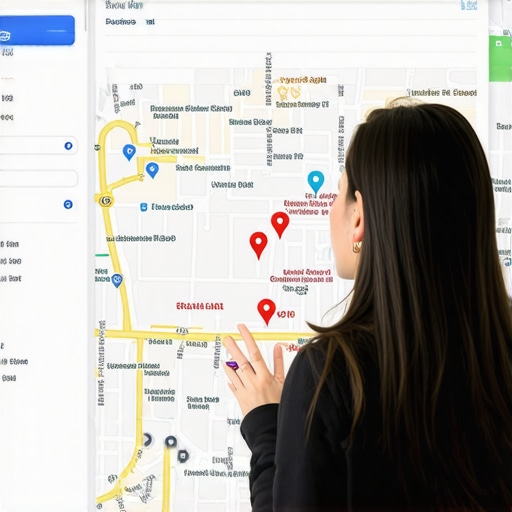
Upload high-quality photos of your storefront, team, and local community events. Incorporate geotags and descriptive captions. Videos showcasing your participation in local events or collaborations also strengthen your local identity. For example, I created a video tour of the neighborhood for a client, which improved engagement and visibility. Visual content signals your proximity and community involvement to Google.
Implement and Track Technical Fixes Relentlessly
Monitor your local listing health with tools like Google My Business Manager, and fix issues like duplicate listings or unverified locations immediately. Use strategic techniques to diagnose and address ranking drops. In my experience, resolving a duplicated location issue on one client’s profile restored their map ranking from the second page to the top in just a few days. Technical integrity is the backbone of your local SEO success.
Focus on Actionable Map Optimization Signals
Prioritize signals such as accurate category selections, consistent NAP, user engagement, and real-world activity (like in-store check-ins). Regularly review your map signals dashboard for anomalies. That’s how I discovered that adjusting a few category tags led to a noticeable rise in rankings. Think of signals as the trust markers Google watches to rank you higher.
Many businesses assume that optimizing basic profile details or accumulating reviews is enough to climb local search results. However, let’s dig deeper into the nuance: most professionals overlook the complex interplay of signals that influence map rankings. Contrary to popular belief, focusing solely on visible elements like photos or reviews doesn’t guarantee higher placement; the real strategists dig into behind-the-scenes factors like signal quality, profile consistency, and advanced local SEO tactics. An often-missed trap is ignoring the subtle shifts caused by algorithm updates that reset or shuffle rankings without obvious triggers. For example, recent studies indicate that geo-tagging and proximity signals carry more weight in AI-driven maps than some businesses realize, making technical audits far more critical than simple content updates. What’s more, many get caught in the myth that increasing reviews alone will push rankings higher—while reviews do matter, their impact is amplified when combined with precise NAP consistency and local link signals, as outlined in comprehensive guides like this article. So, are you pinning your hopes on superficial tweaks? Or are you leveraging the deep, nuanced signals that truly move the needle in local map results? Remember, the algorithm adapts constantly; what worked last year might be outdated today. To stay ahead, you need to master these hidden factors and employ a strategic, layered approach. Dive into the detailed strategies at this resource to get your local rankings climbing. Have you ever fallen into this trap? Let me know in the comments.
How Do I Maintain Local Map Results Effectively?
Staying at the top of local search rankings isn’t a one-and-done task; it requires ongoing attention and the right set of tools. I rely heavily on expert-grade software like BrightLocal and Moz Local, which provide real-time insights into your citation consistency, review health, and ranking fluctuations. These tools help me catch anomalies early before they impact your map position, ensuring you maintain visibility in competitive markets. Additionally, Google Search Console offers crucial data on search performance and user engagement, guiding strategic adjustments. Predicting future trends, I think local SEO will increasingly depend on AI-driven signals and real-time data synchronization, making robust tools more essential than ever. Regular audits combined with these tools empower you to respond swiftly to algorithm updates and shifts in local search behavior.
How can I keep my local search rank climbing and stable long-term?
Consistency is key. Schedule routine checks of your NAP data and customer reviews, and use automation where possible to streamline these processes. Integrating tools like this comprehensive guide provides a solid framework for long-term success. Remember, the landscape is evolving fast, and staying proactive is your best defense against ranking dips. If you haven’t yet, consider using location-specific analytics to identify new growth opportunities or areas where your profile might be underperforming. Don’t forget to leverage advanced SEO tactics, such as geo-tagging and local link-building, which can give you an edge in future map result competitions. Consistent use of these tools and strategies will make your local SEO efforts resilient against sudden algorithm changes or market shifts.
For tailored advice, I recommend reaching out through this contact page. Start implementing systematic maintenance with your chosen tools today to build a fortified local search presence.
What I Wish I Knew When I Started Climbing Local Results
- Perfection Is a Moving Target: I once believed setting up my profile correctly was enough. But I realized that ranking success requires ongoing tweaks and vigilance because algorithm updates constantly reshape the landscape.
- Small Details Matter More Than You Think: Misplaced NAP information or overlooked reviews can silently sabotage your visibility. Attention to these nuances can prevent nasty surprises like sudden ranking drops.
- Technical Health Is Your Foundation: Regularly auditing your map profile and citation consistency is crucial. Overlooking technical fixes, like duplicate listings, can undermine even the most optimized profiles.
- Signals Are the Real Superstars: Beyond visible content, behind-the-scenes signals like proximity and trust factors have a bigger impact—so leveraging tools like strategic techniques can transform your rankings.
- The Algorithm Won’t Wait, So You Must Keep Up: Staying ahead with continuous learning from trusted sources ensures your local SEO tactics stay effective amid frequent updates. Check out the ultimate guide for insight and ideas.
My Arsenal of Tools for Long-Term Local Success
- BrightLocal: A comprehensive platform for citation management and review monitoring—trustworthy because it simplifies complex data into actionable insights.
- Moz Local: My go-to for tracking local rankings and maintaining consistent NAP data, helping me spot issues before they impact visibility.
- Google Search Console: Essential for understanding how your site performs and uncovering potential technical roadblocks—it’s my window into what’s happening behind the scenes.
- Custom Dashboards & Checklists: I tailor these to stay organized and ensure every detail, from profile accuracy to review quality, is covered regularly—think of them as my local SEO GPS.
Embrace the Challenge and Keep Moving Forward
Achieving and maintaining top local map rankings isn’t a one-time effort; it’s a journey of continuous improvement and learning. Your commitment to fine-tuning your service areas, profile details, and signals will differentiate you from competitors who rest on their laurels. Remember, each small action compounds over time, leading to lasting visibility and growth. Take the first step today with confidence—your future local success depends on it. What’s one small adjustment you’ll make today to enhance your local map results? Share your thoughts below, and let’s grow together.